10 Small Desk Setup Ideas That Make the Most of Every Inch
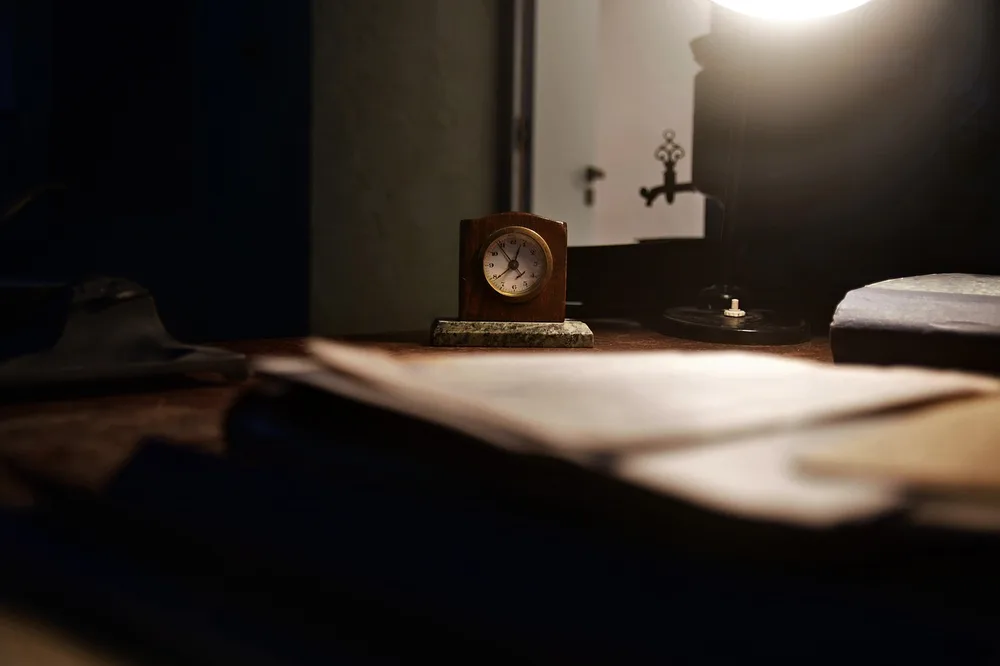
A small desk can be just as productive as a big one if every item earns its spot. The trick is to clear the surface, move storage up and choose compact versions of the tools you use most.
These small desk setup ideas work for apartments, bedrooms and shared rooms. Each one frees a little space, and together they make a tiny desk feel organized and comfortable.
1. Measure Before You Buy Anything
Measure the desk width and depth, then the space around it, including where the chair needs to move when you sit down and stand up. Write the numbers down and bring them when you shop, because small spaces leave no margin for guessing and returns are a hassle.
Depth matters most on a small desk. A desk under twenty-four inches deep needs a slim monitor solution and a compact keyboard, while a narrow but deep desk can hold more if you stack things vertically. Knowing which kind you have tells you which of the ideas below to start with.
2. Use a Monitor Arm to Free the Surface
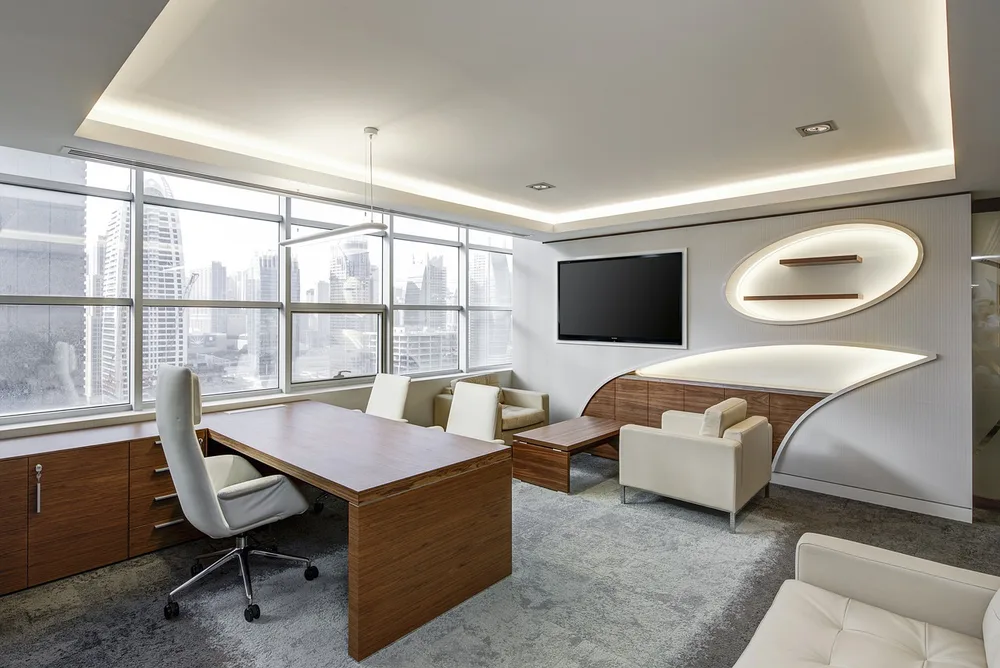
A monitor stand can eat up a third of a small desk. Clamping the screen to an arm lifts it off the surface and lets you push it back toward the wall, so you gain all the space under the screen for a notebook, a tablet or the keyboard when you need to write by hand.
On very shallow desks, an arm also lets you set a more comfortable viewing distance than the original stand allows, because the screen can float slightly behind the desk edge. It is one of the biggest space gains you can make on a tiny desk for a single purchase.
3. Choose a Compact Keyboard
Full-size keyboards include a number pad that many people rarely use. A compact or tenkeyless keyboard saves several inches of width and lets the mouse sit closer to your body, which is also more comfortable for your shoulder because your arm no longer reaches far to the side.
If you need to type numbers often, for spreadsheets or accounting, a separate small number pad can live in a drawer and come out only when needed. That way you keep the space savings every day without losing the convenience on the days you need it.
4. Go Vertical With Wall Shelves
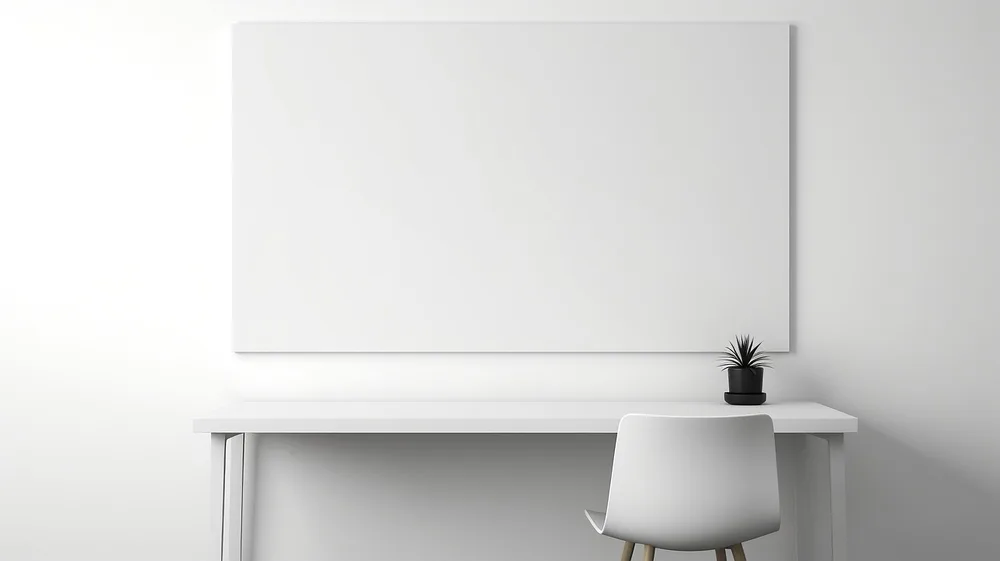
When the desk is small, the wall above it becomes your best storage. One or two floating shelves can hold books, a lamp, a plant and a few small boxes, keeping the work surface free for the things you actually use while you work.
Mount the lowest shelf high enough to clear the top of the monitor and your head when you stand up. Keep heavier items on shelves with brackets anchored into the wall studs, and use the higher shelves for lighter decor and things you rarely need.
5. Put the Laptop on a Stand
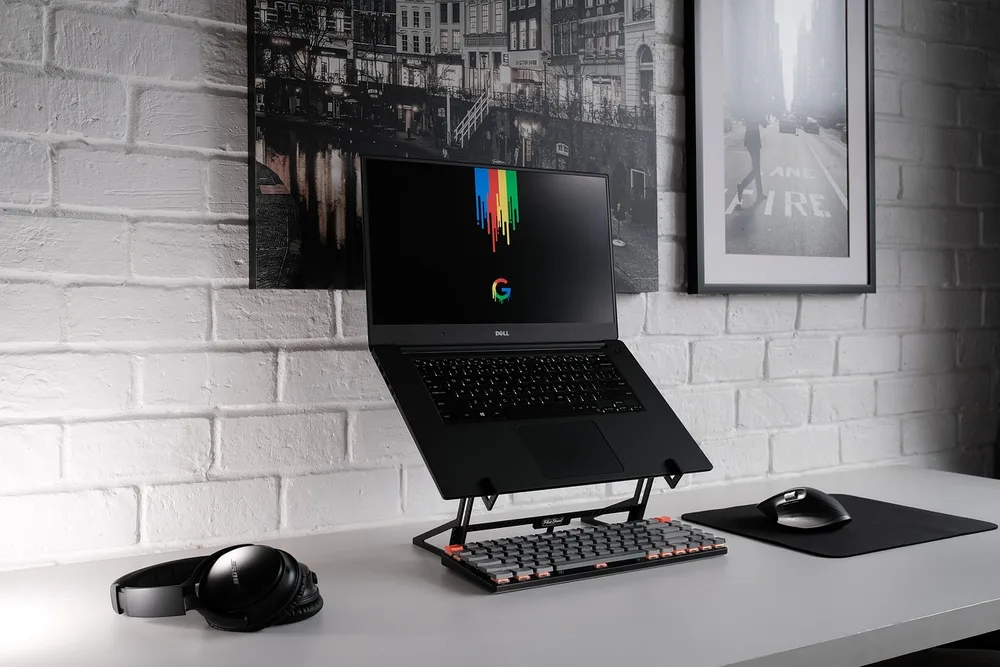
A laptop stand raises the screen and opens up space underneath it, where the keyboard can slide in when you need the desk for writing or reading. It also improves your posture by lifting the screen closer to eye level, so you are not looking down all day.
Pair the stand with an external keyboard and mouse to get the full benefit. On a small desk, this turns the laptop into a complete workstation without adding a separate monitor, and you can still fold everything away quickly when the day is over.
6. Pick a Clamp-On Lamp

A lamp with a wide base takes up space you cannot spare on a small desk. A clamp-on lamp attaches to the desk edge or to a shelf and puts the light exactly where you need it, with zero footprint on the work surface.
Choose one with an adjustable arm and a warm to neutral light color. You can swing it out of the way when you need the space, angle it over a notebook when you write by hand or point it at the wall for softer light in the evening.
7. Limit the Surface to Three Things
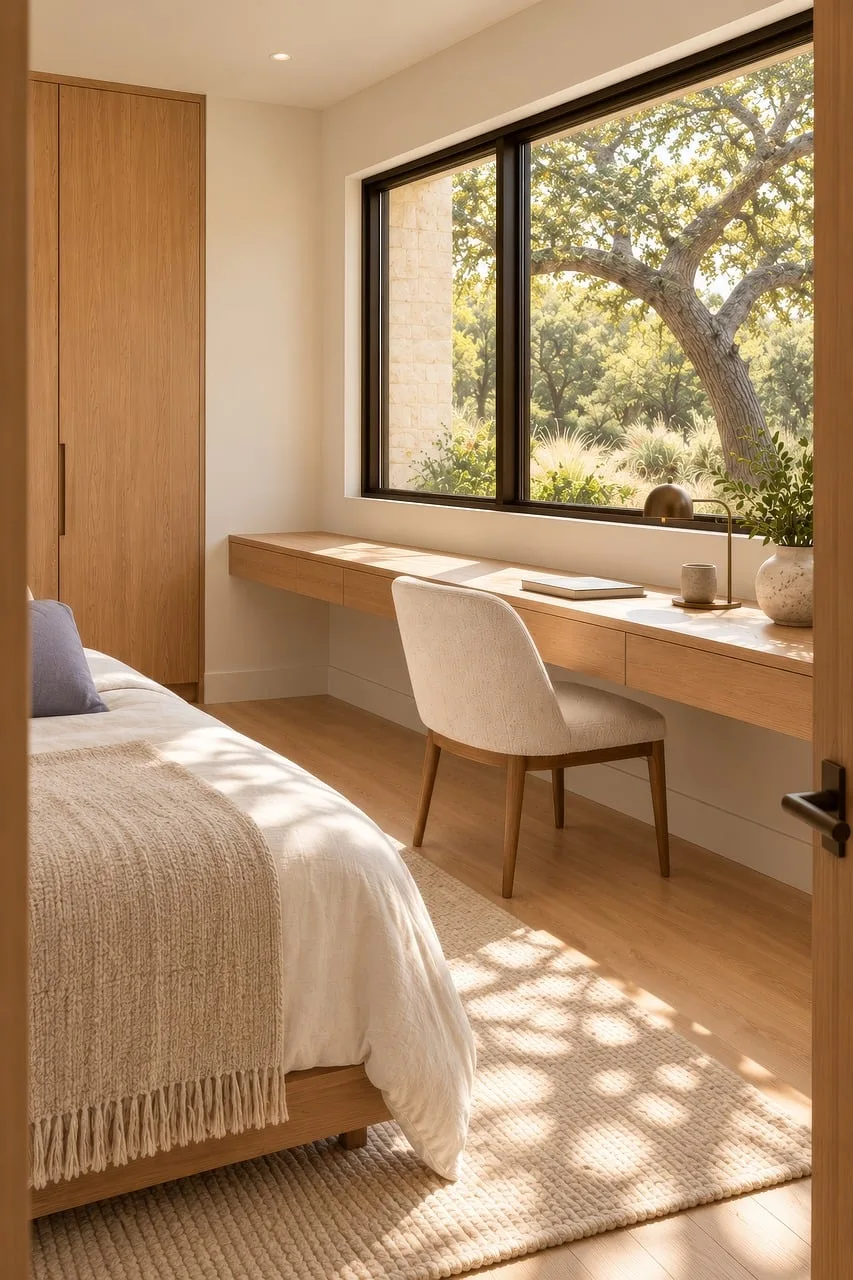
A useful rule for small desks is to keep only three items on the surface besides your computer, for example a lamp, a notebook and a mug. Everything else gets a home in a drawer, on a shelf or in a box, so the desk stays usable and calm.
The limit keeps the desk free for writing and makes the space look intentional instead of crowded. When a fourth item appears and stays there for a day, treat it as a cue to put something away, and the clutter never gets the chance to build up.
8. Use the Space Under the Desk
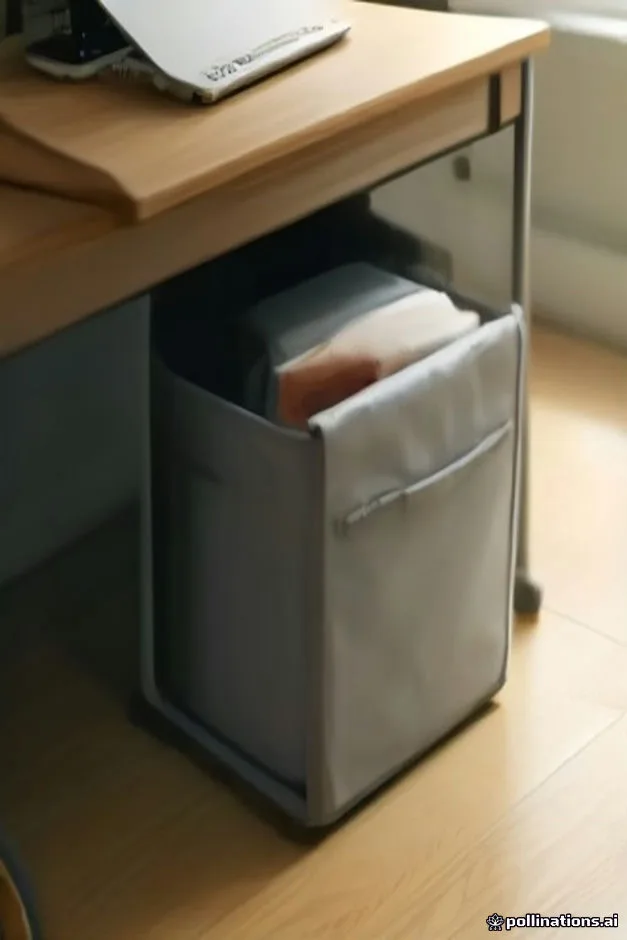
The space under the desk is free real estate on a small setup. A slim rolling drawer unit, a cable tray mounted under the desktop and a hook for your bag keep items off the surface and off the floor around your feet, so the area feels open.
Keep at least the center clear for your legs so you can sit comfortably. Store things you need every day on the side you reach naturally, and push less used items further back, where they stay accessible without getting in the way.
9. Keep the Palette Light
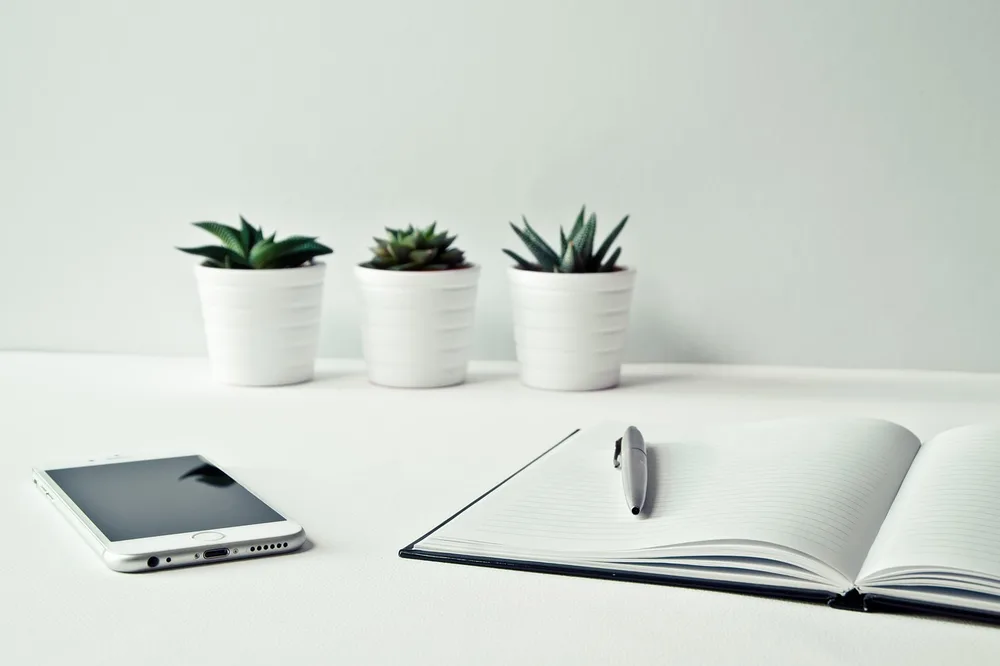
Light colors make a small desk and the wall behind it feel larger. White, light wood and soft gray reflect light around the room and reduce the visual weight of the furniture and accessories, which makes a cramped corner feel airy and open.
Add one darker accent, such as a black lamp or a dark desk mat, to keep the setup from feeling flat or washed out. Matching small accessories in the same light tones also reduces visual clutter, because the eye sees one calm surface instead of many objects.
10. Consider a Fold-Down Wall Desk
In very tight rooms, a fold-down wall desk gives you a full work surface during the day and disappears completely at night. It is perfect for bedrooms and living rooms where the office has to share space with sleeping or relaxing.
Choose a model with a small shelf behind the panel to store your laptop and supplies when it is closed. Folding the desk away also gives you a clear signal that the workday is over, which helps you switch off in a home where work and life share the same room.
Final Thoughts
A small desk works when the surface stays clear and storage moves up, under and onto the walls. Start with a monitor arm or laptop stand, then add shelves and the three-item rule to keep it calm.