10 Home Office Ideas for Small Spaces That Actually Work
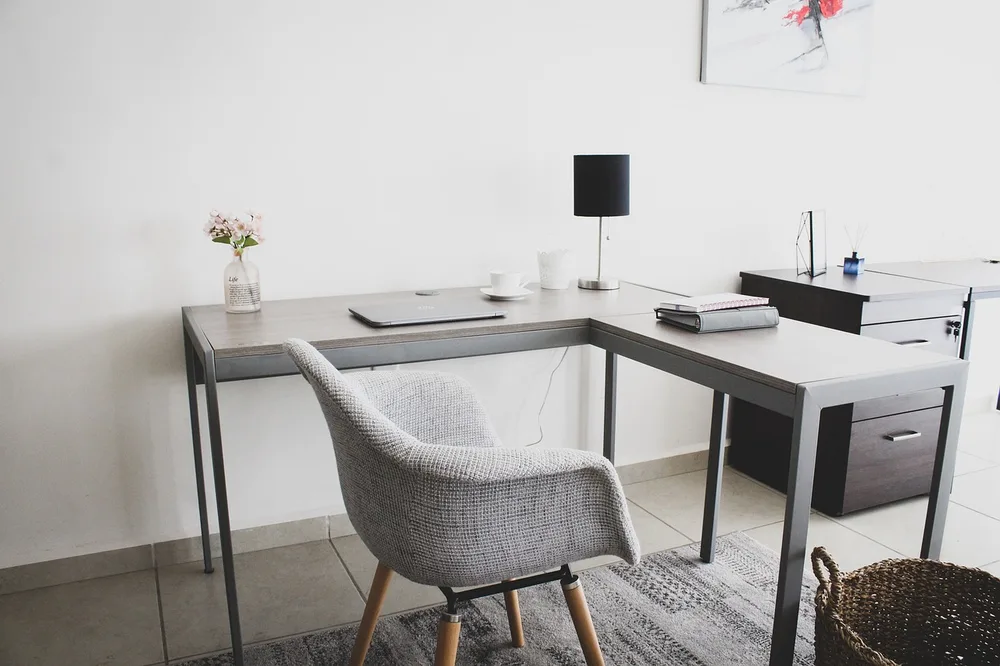
You do not need a spare room to work well from home. A corner of the bedroom, a nook under the stairs or one end of the living room can become a focused workspace, as long as every piece in it earns its place.
The ideas below are ordered from the biggest decisions, like where the desk goes and how big it is, to the small details that make a tight space feel calm instead of cramped. Most of them cost little and can be undone if you move.
1. Pick the Spot Before You Pick the Desk

Walk around your home and look for a space that is at least three feet wide, near an outlet and ideally beside a window. Measure it, including the depth you need to pull a chair back, before you shop for anything.
A spot you can face away from the bed or the TV helps your brain switch into work mode. If the only free wall faces the room, a small rug or a different lamp is enough to mark the area as the office.
2. Choose a Shallow Desk

Most work fits on a desk that is 20 to 24 inches deep, much less than standard office desks. A shallow desk leaves walking space behind the chair and makes a small room look less crowded.
Pair it with a monitor arm or a laptop stand so the screen sits at the back edge. You keep the keyboard close and still have room in front of it for a notebook and a cup of coffee.
3. Try a Wall-Mounted or Floating Desk
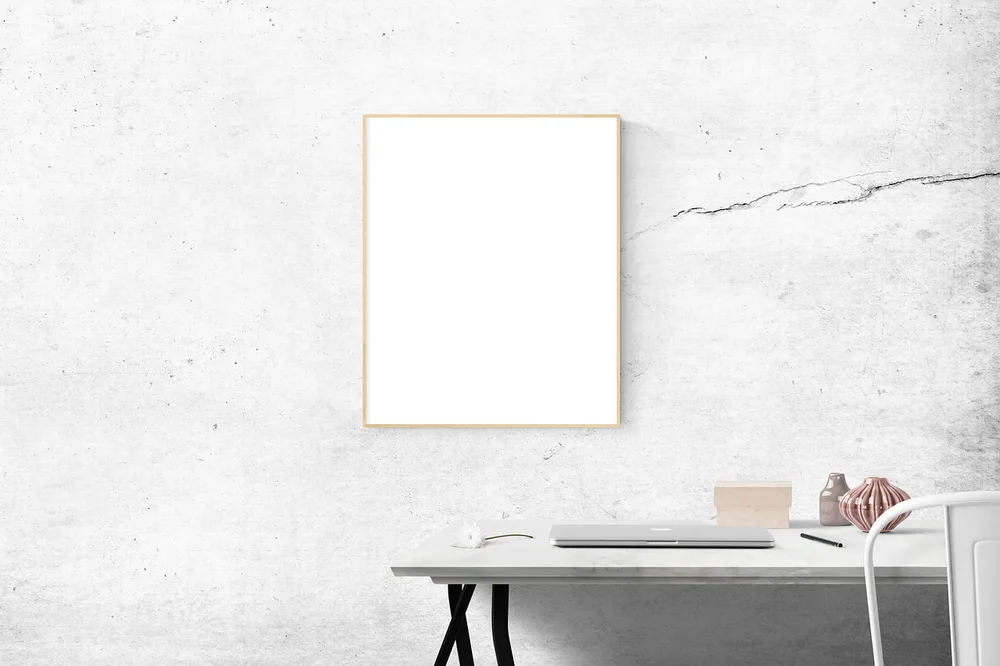
A floating desk is screwed straight into the wall, so there are no legs to bump into and the floor stays open. It is ideal for hallways, bedrooms and any space where a full desk would block the path.
Mount it at about 29 inches for sitting work and attach it to studs, not drywall alone. Some fold-down models close flat against the wall, which turns the office back into a living space at the end of the day.
4. Use the Corner Nobody Uses
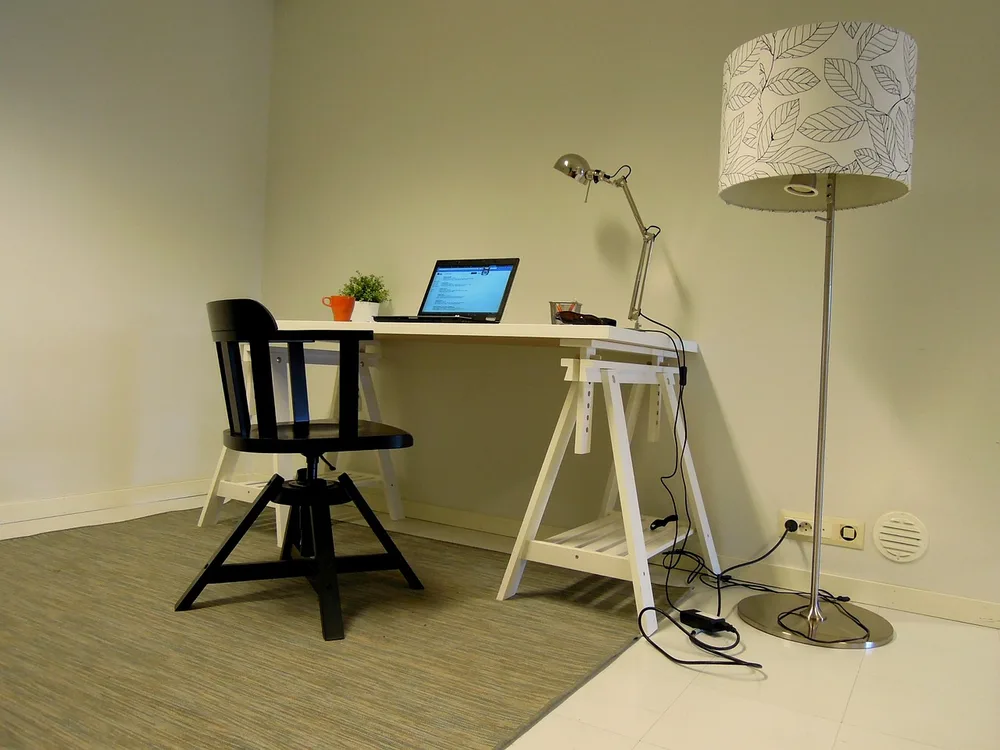
Corners are the most wasted space in most rooms. An L-shaped corner desk or a simple triangular shelf turns that dead area into a workspace while leaving the rest of the room untouched.
Corners also give you two walls for storage. Put shelves on one side and a pinboard or a small calendar on the other, so everything you need is within arm's reach without adding furniture.
5. Build Storage Up, Not Out
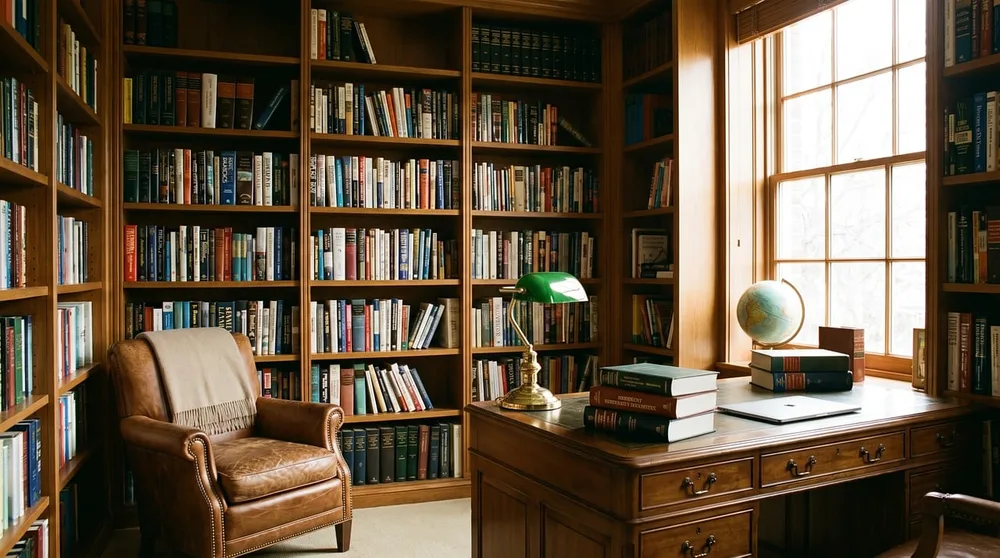
When floor space is limited, the wall above the desk is your storage. Two or three floating shelves hold books, boxes and supplies, and they keep the desk surface free for actual work.
Keep the items you use daily on the lowest shelf and archive the rest higher up. Matching boxes or baskets hide small clutter and make the shelves look like decoration instead of a pile.
6. Turn a Closet Into a Cloffice

A reach-in closet with the doors removed is an almost perfect small office. It already has walls on three sides, a natural boundary and often a shelf at the right height to become a desktop.
Add a sturdy board as the work surface, a strip of LED light under the top shelf and a small outlet extension. When work is over, close a curtain across the opening and the office disappears.
7. Layer Your Lighting
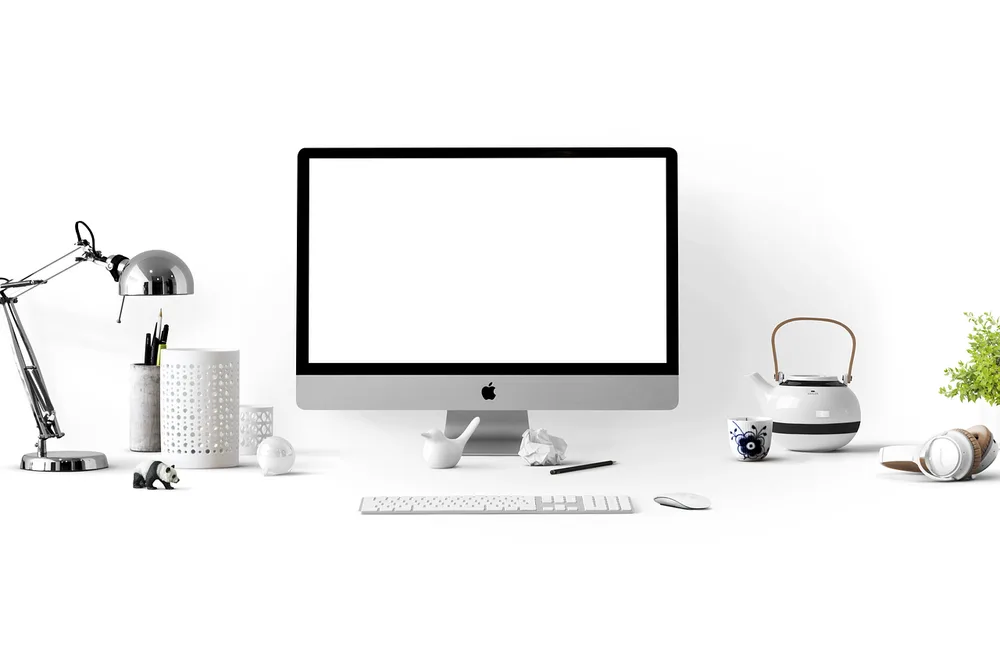
Small spaces feel smaller when they are dark. Put the desk near natural light if you can, then add a desk lamp with a warm neutral bulb for evenings and cloudy days.
A thin LED bar behind the monitor reduces eye strain on video calls and late sessions. Three light sources, even tiny ones, make a corner feel like a real room instead of a leftover space.
8. Pick a Chair That Fits Under the Desk
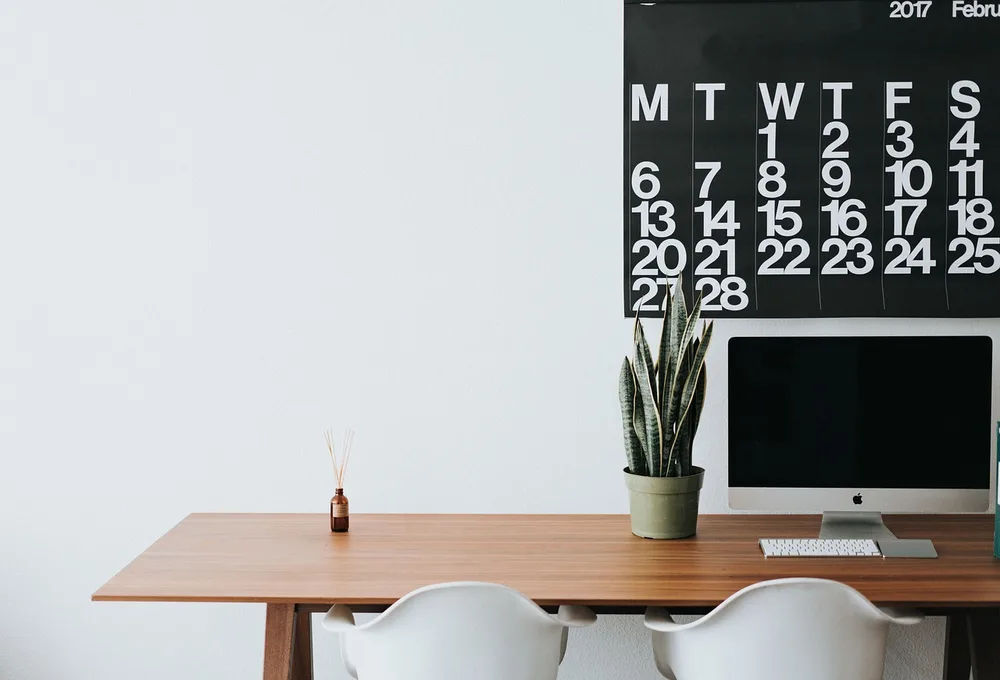
A bulky office chair can take more space than the desk itself. Look for a compact chair without arms, or with arms that slide fully under the desktop, so you can push it away when you are done.
Comfort still matters more than looks. Check that your feet rest flat on the floor and that the seat supports your lower back; a small cushion fixes a lot on a simple wooden chair.
9. Stick to a Light, Simple Palette

White, beige and light wood reflect light and make the edges of a room recede. A small office in one or two light colors looks bigger and calmer than one with many contrasting pieces.
Add personality with one accent: a colorful lamp, a print on the wall or a bright mouse pad. One accent is a choice; five accents in a tiny corner start to look like clutter.
10. Add a Plant and a Mirror
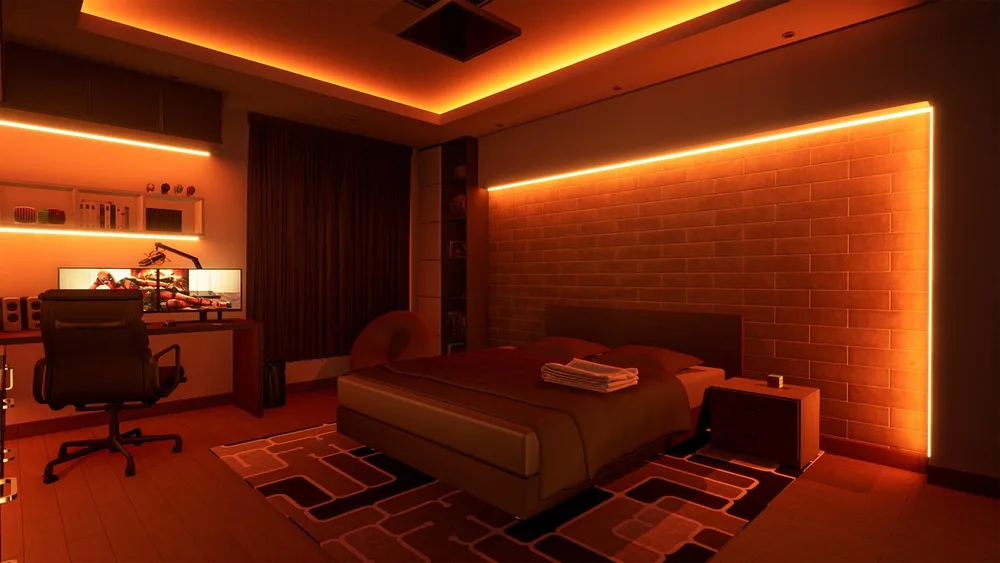
A small plant on the desk or a trailing pothos on a shelf softens the hard lines of screens and cables. Pick something low-maintenance, like a snake plant or a ZZ plant, that tolerates indirect light.
A mirror on the wall beside the desk bounces window light into the corner and makes the space feel twice as deep. Just keep it out of the camera frame if you take a lot of video calls.
Final Thoughts
A great home office in a small space comes from a few smart choices: the right spot, a shallow or wall-mounted desk, storage that climbs the wall and light from more than one source.
Start with the spot and the desk, then add the rest over a few weekends. A small office that fits the way you work will beat a big one that does not.