10 Desk Organization Ideas That Keep Your Workspace Clutter-Free
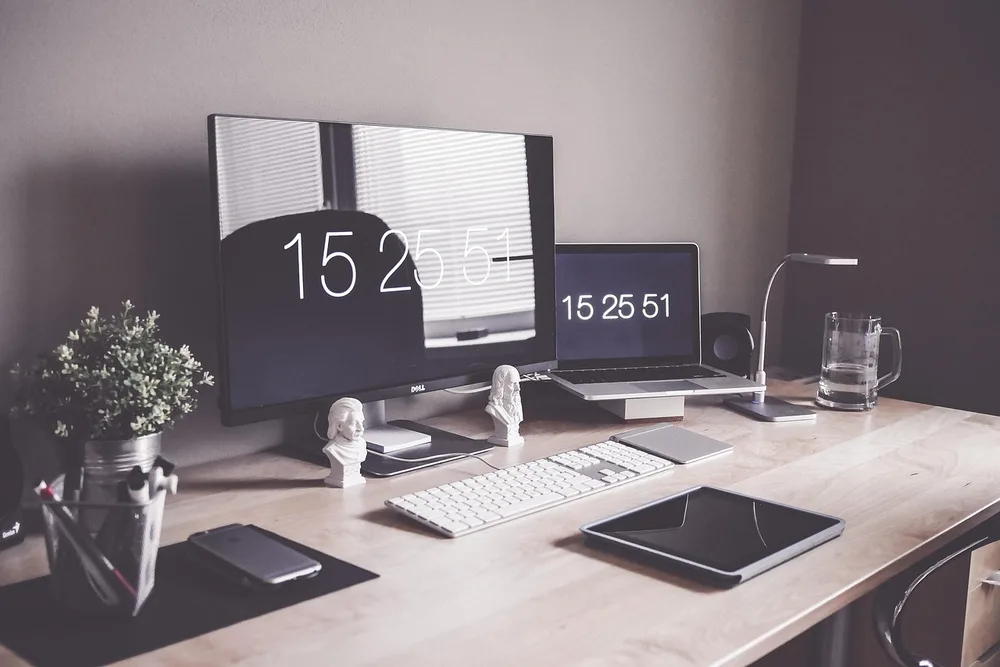
A messy desk rarely comes from having too much stuff. It usually comes from stuff without a home, so every pen, charger and paper ends up wherever you last put it down.
These desk organization ideas give each item a place and make putting things back faster than leaving them out. Start with the clear-out, then add the storage that fits the way you actually work.
1. Start With a Full Clear-Out
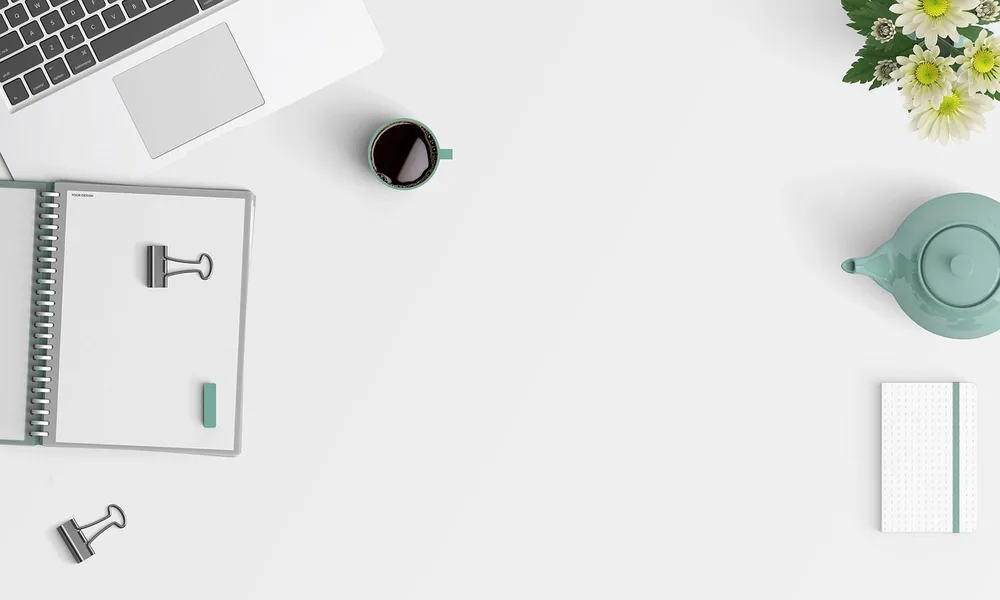
Take everything off the desk and out of the drawers, then wipe every surface clean. Sort what you find into three groups: things you use every day, things you use sometimes and things that belong somewhere else in the house. Seeing it all at once shows how much has quietly piled up over the months.
Only the daily group goes back on the desk. The occasional items go into drawers or labeled boxes, and everything in the third group leaves the workspace today, not later. Organizing becomes much easier once you are only storing what you actually need, because every system you add has less to hold.
2. Use a Monitor Riser With Storage
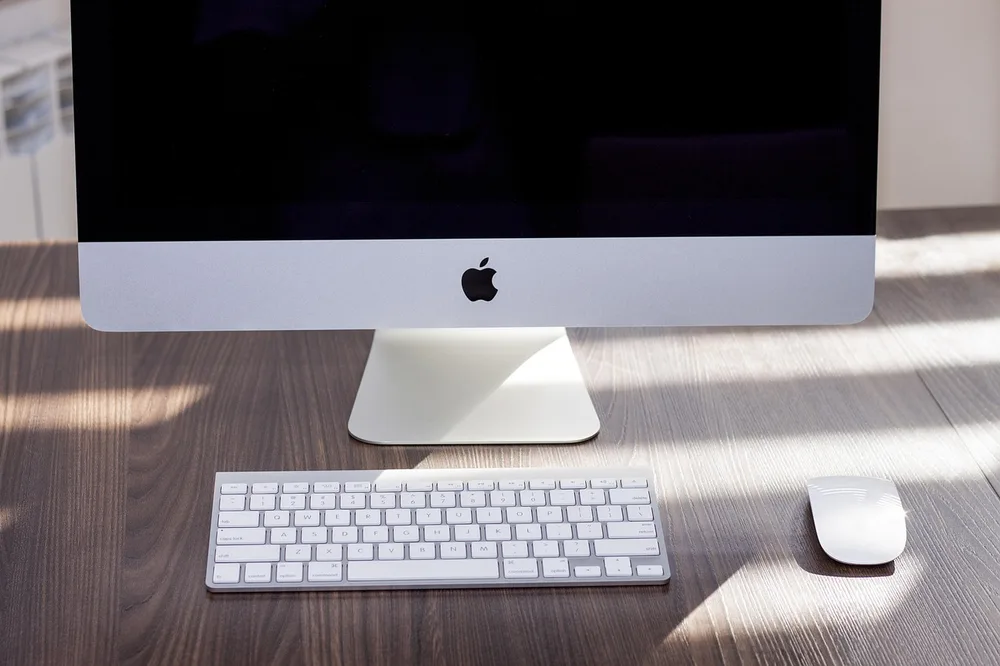
A monitor riser lifts the screen closer to eye level and creates a shelf underneath it. That space is perfect for sliding the keyboard away when you need the desk for writing or sketching, or for holding a slim tray of notebooks you reach for every day, so they stay close without covering the work surface.
Choose a riser with a built-in drawer if you want to hide small things like sticky notes, earbuds and spare pens. The main surface stays clear while the essentials remain one short reach away. It is a single purchase that improves your posture and your storage at the same time.
3. Add a Drawer Organizer
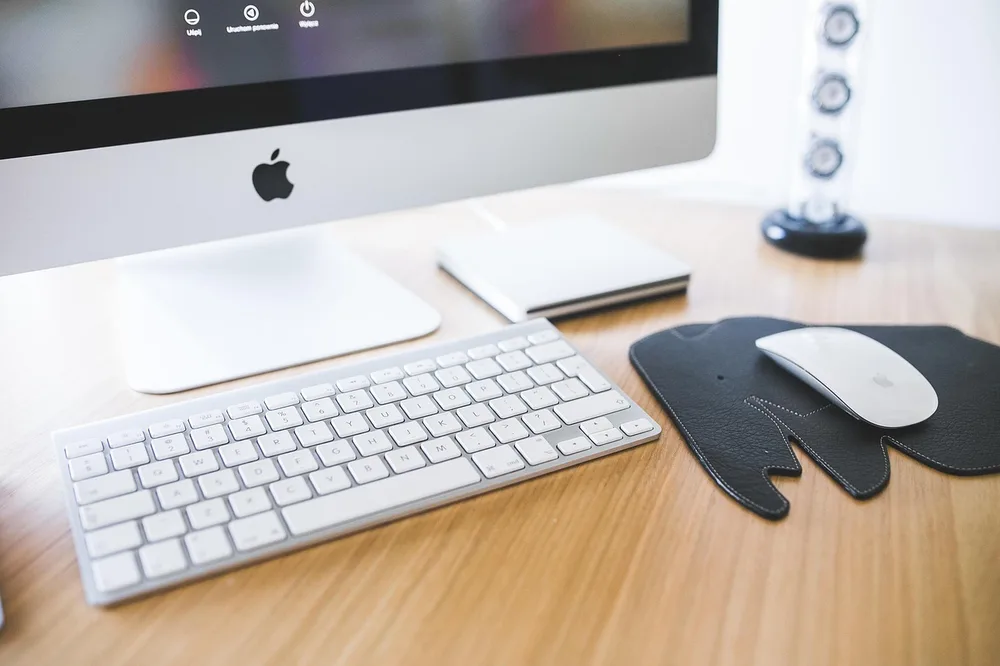
Drawers turn into junk drawers when everything slides together every time you open them. A set of small trays inside each drawer gives every category its own compartment: pens in one, cables in another, sticky notes and clips in a third. You can see everything at a glance and grab what you need without digging.
Measure the drawer before you buy organizers and leave a little empty space for new items. Modular trays that you can rearrange are better than a fixed insert, because your tools and habits will change over time and the drawer should be able to change with them instead of forcing you to start over.
4. Keep a Single Inbox Tray
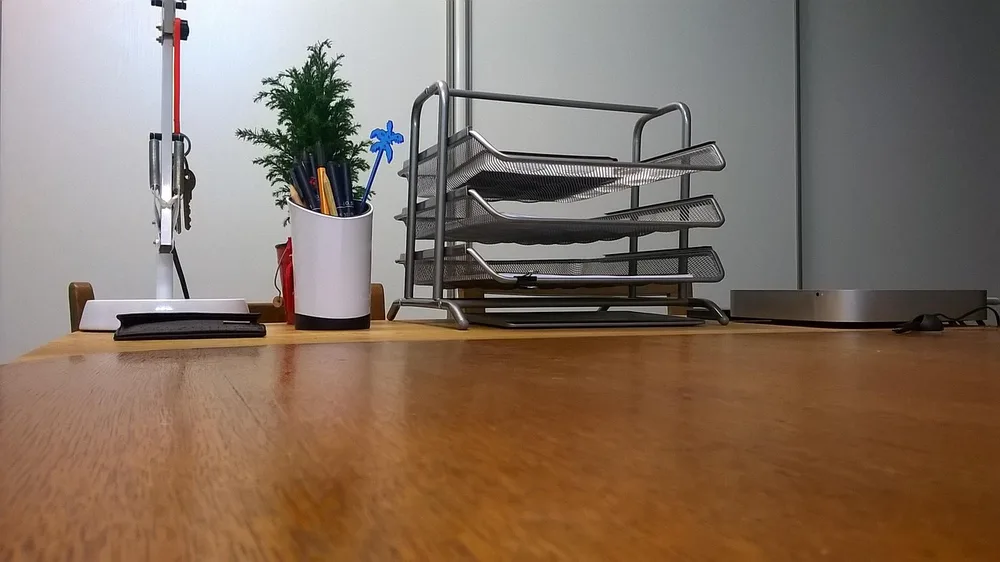
Paper clutter spreads because new papers have no clear place to land. A single inbox tray on the corner of the desk catches mail, receipts, printouts and notes until you have time to deal with them. Everything that arrives goes there first, so loose sheets stop scattering across the keyboard and under the monitor.
Empty the tray once a week: file what you need to keep, act on what needs action and recycle the rest. One tray paired with a weekly routine keeps paper from taking over the desk, and it works better than a complex filing system that you set up once and then stop using.
5. Put a Pegboard Above the Desk
Wall space is the most underused storage in a home office. A pegboard above the desk can hold headphones, scissors, small shelves, cups for pens and even a little plant, all visible and within reach but completely off the work surface. It turns an empty wall into a practical and good-looking tool station.
Because the hooks and shelves move freely, you can rearrange the board whenever your tools change. Keep the most used items along the lower edge, closest to your hands, and put decorative or rarely used pieces near the top. Leave some empty holes so the board never looks crowded.
6. Corral Small Things in One Tray
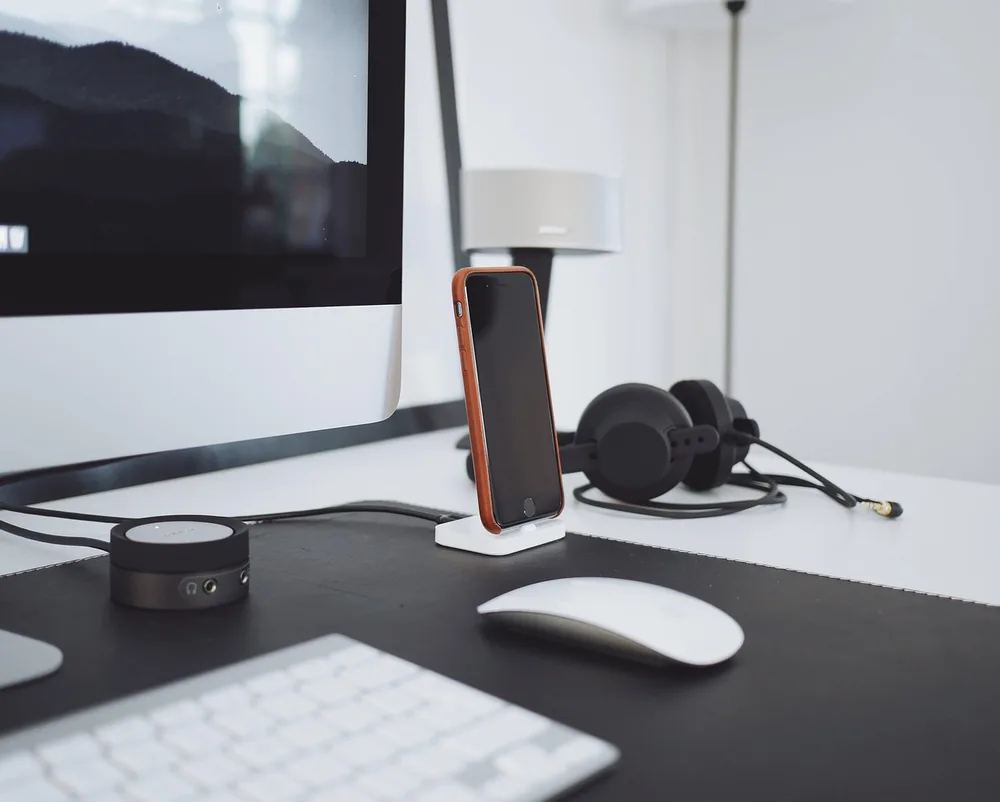
Keys, earbuds, a watch, a lip balm and a few coins create a lot of visual noise when they are scattered around the desk. A small valet tray gathers them in one spot, so the desk still looks tidy even when it is full of everyday things you need to keep close.
The tray also works as a limit. When it is full, it is time to put something back where it belongs. This simple boundary is often enough to stop small clutter from creeping back, and it makes it easy to find your keys and earbuds when you need to leave in a hurry.
7. Use Vertical File Holders

Notebooks and folders lying flat quickly form piles that are hard to search, and the one you need is always at the bottom. Standing them up in vertical file holders lets you see every spine at a glance and pull one out without lifting or moving the others, which keeps the stack from collapsing.
Limit yourself to one or two holders and label them by project or by month. When a holder starts to overflow, take it as a clear sign that some papers can be archived, scanned or recycled. The limited space keeps the system honest and stops it from growing into another pile.
8. Give Chargers One Station

Charging cables are a major source of desk mess, because every device brings its own charger and its own cable. A single charging station with several ports gathers your phone, earbuds and watch in one place, replacing a tangle of separate chargers with one neat spot that is easy to keep clean.
Put the station at the back corner of the desk and run its single power cable straight down to the outlet. Unplug and put away chargers for devices you only charge now and then, so the desk carries only what you use daily and the back edge stays free of loose cables.
9. Add Under-Desk Drawers
If your desk has no drawers, a slim drawer that mounts under the desktop adds hidden storage without taking any floor space. It is ideal for things you need nearby during the day but do not want to see, such as notebooks, chargers, a stapler or the remote for your monitor light.
Choose one that slides smoothly and still leaves room for your knees when you sit down. A small rolling drawer unit under the desk is another good option, and it doubles as a side table when you need extra surface for a printer, a coffee mug or reference papers during a project.
10. Do a Five-Minute Reset Each Evening

Organization only lasts when putting things back becomes a daily habit. At the end of each workday, spend five minutes returning items to their homes, clearing away cups, closing open notebooks and stacking any new papers in the inbox tray. Set a short timer if it helps you keep the reset quick.
Starting the next morning at a clean desk makes it easier to focus right away and gives you a small sense of control before the day begins. Over a few weeks the reset gets faster and faster, because every item already has a place and you are only maintaining the system, not rebuilding it.
Final Thoughts
An organized desk is a set of small systems: a home for every item and a quick habit to put things back. Start with the clear-out and one storage idea, then add the rest as you notice where clutter still collects.